
ABOUT TROY

Troy McFaul is an author, speaker, observer, questioner and someone who has spent years examining life, awareness, society, belief, identity, suffering, connection and the human experience.
Throughout his years of training students in martial arts, working with people through 1:1 self-reflection sessions, and exploring his own experiences through self-reflection, Troy began noticing a common thread: thought often influences what happens next.
This ongoing exploration eventually became the foundation for Unaya — the pathless path of awareness, a philosophy and way of life developed through Troy's own continued questioning, observation and reflection. Unaya explores awareness, impermanence, interconnection, compassion and the way we move through life without relying on fixed beliefs or prescribed answers.
Troy's presentations are built around reflective inquiry rather than instruction. He isn't there to give people the answers, but to create an opportunity for participants — whether they are staff, sportspeople or individuals — to pause, observe and reflect, allowing them to explore and discover through their own experience.
His style is conversational and interactive rather than scripted or motivational. He doesn't present himself as someone with all the answers. Instead, he invites people to examine something they experience every day, but rarely stop to examine:
Thought.
At the heart of his presentations is a simple framework:
Pause. Observe. Reflect. Flow Accordingly.
“I'm not here to teach you how to think. I'm interested in helping you understand thought itself.”
WHY THOUGHT
Because thought is present in almost everything we do.
A difficult task. A mistake. A difficult conversation. A moment of pressure. A decision. A competition.
Something happens — and almost immediately, thought responds.
Sometimes we notice it. Often we don't.
The question isn't whether we can stop thoughts from appearing.
The question is: what happens when we automatically believe them?
THOUGHT invites people to pause and look at that process.
THOUGHT
Understanding the thoughts that shape how we work, respond and perform.
We all experience thoughts every day.
Yet very rarely do we stop to examine them.
A thought can appear in an instant:
"I can't do this." "I'm going to get this wrong."
The thought appears — and often, without noticing, we believe it.
From there, a thought can influence how we feel, how we behave, how we communicate and how we respond to what is happening around us.
It isn't about controlling the mind.
It isn't about eliminating negative thoughts.
It isn't about replacing every difficult thought with a positive one.
And it isn't motivational speaking.
It is about developing an understanding of thought itself — and noticing what can happen when we automatically identify with what appears in the mind.
At the heart of the presentation is a simple approach:
Pause. Observe. Reflect. Flow Accordingly.
The presentation uses everyday situations, discussion and audience participation to explore how this can apply to:
Workplace pressure and challenging tasks
Communication and difficult conversations
Mistakes and setbacks
Performance and competition
Meetings and decision-making
Customer and client interactions
Pressure, uncertainty and expectations
The thoughts we have about ourselves and others
The objective isn't to tell people what to think.
It is to invite them to look at how thought operates — something we all experience, but rarely stop to examine.
“I'm not here to teach you how to think. I'm interested in helping you understand thought itself.”
THE APPROACH
The presentation is built around four simple steps:
Pause
Create a moment before automatically reacting.
Observe
Notice the thought without immediately accepting it as fact.
Reflect
Look at what is actually happening — rather than only what thought is telling you.
Flow Accordingly
Respond to the situation as it is, rather than simply reacting to the thought that appeared.
Pause. Observe. Reflect. Flow Accordingly.
It's not a formula for controlling thought.
It's simply a different way of relating to it.
WHAT TO EXPECT
THOUGHT is a 30–45 minute presentation designed to be conversational and interactive.
There is no script to sit through and no motivational performance.
Instead, the presentation uses everyday situations, questions and discussion to explore how thought can influence the way we respond.
People can expect:
A short presentation
Everyday examples they can relate to
Questions and audience participation
Open discussion
A different way of looking at thought
The aim isn't to tell people what to think.
It's to give them an opportunity to stop, look, and examine something they experience every day.
WHO IS THIS FOR
THOUGHT can be relevant wherever people experience pressure, expectations, performance or uncertainty.
Businesses
For teams, staff and managers navigating workplace pressure, communication, decision-making and challenging situations.
Sporting Clubs
For players, coaches and teams exploring thought, performance, mistakes, pressure and competition.
Community Organisations
For groups looking to create a space for people to examine thought and how it can influence the way we respond to everyday situations.
For Individuals
1:1 Reflective Inquiry & Thought Sessions for those who want to pause, look at things differently, question what they think they know, and explore what is actually happening beneath the surface.
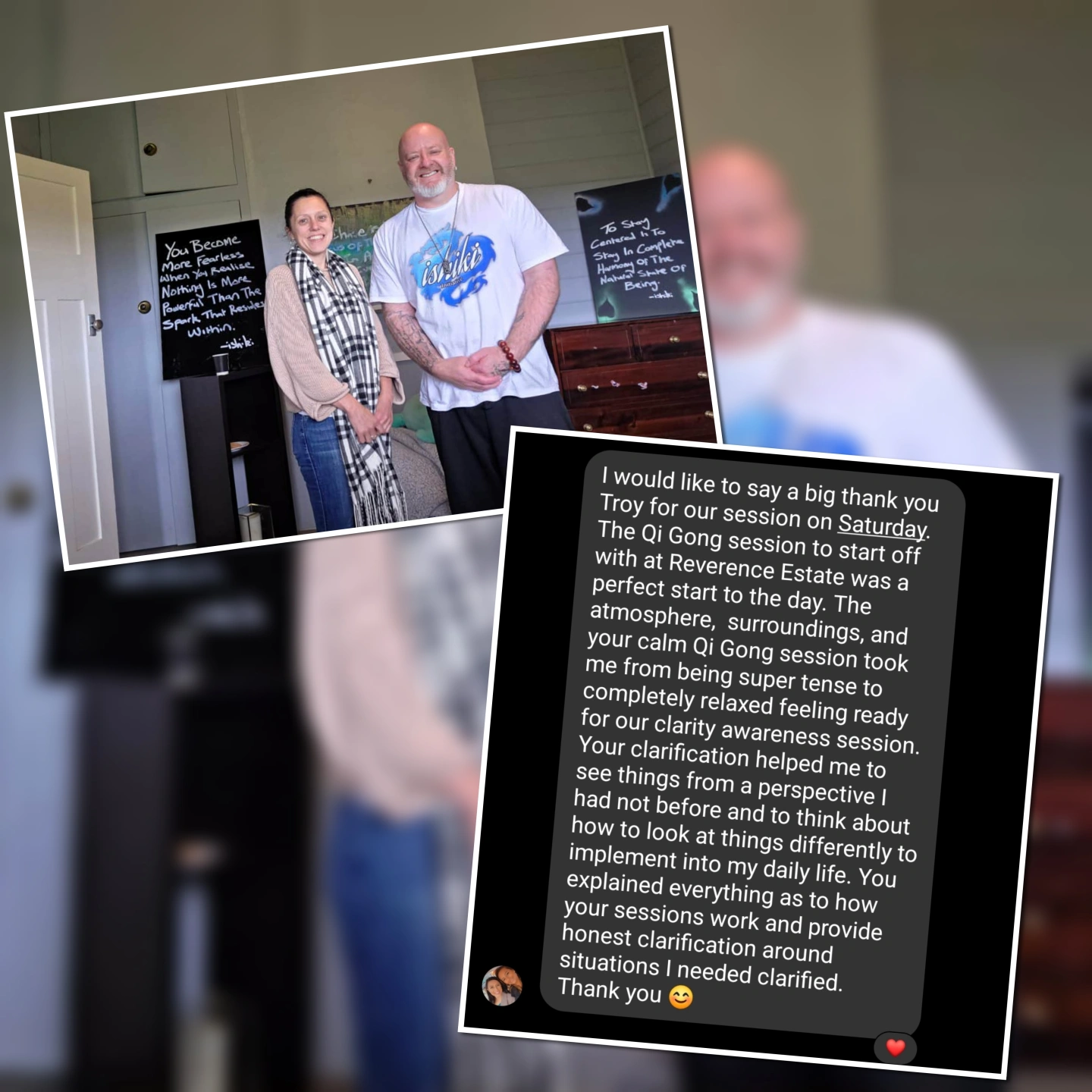
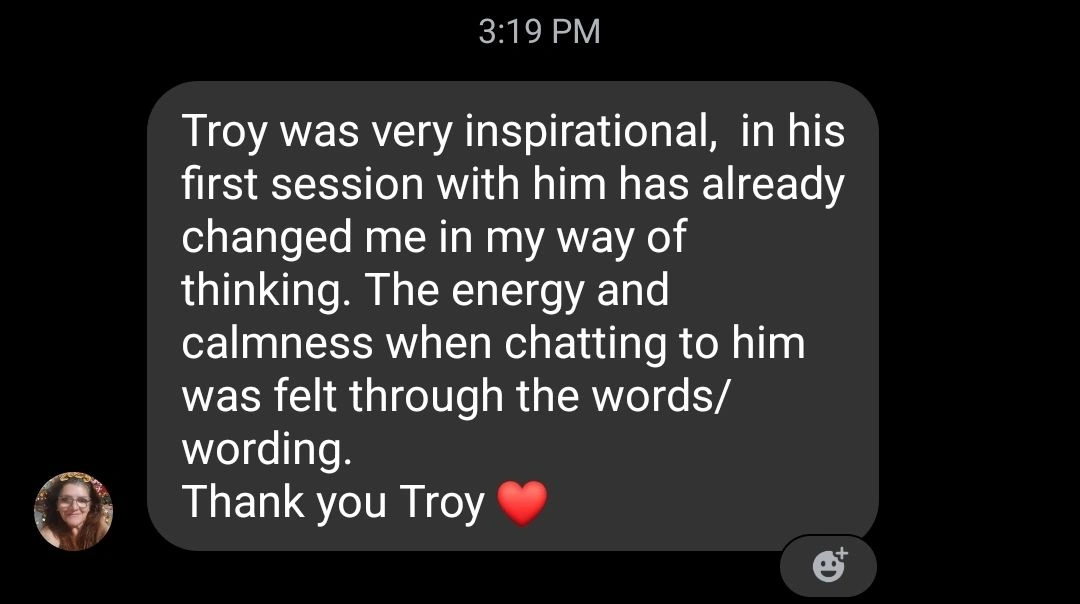
Testimonials

Let's Have a Conversation
Interested in having Troy speak with your workplace, sporting club or community organisation?
Get in touch with Troy to discuss your organisation, your audience and what you'd like the presentation to explore. From there, we can have a conversation about whether the presentation is the right fit for your group.